ENVIRONMENT
Stylized Architecture
$313
$232
PRE-SALE
PRE-SALE
PRE-SALE
Watch trailer
courses
/
ENVIRONMENT
/
Stylized Architecture
Watch trailer
Early Bird Offer: Lock in the lowest price today. The course content unlocks automatically on February 1st.
What you will learn
learning objectives
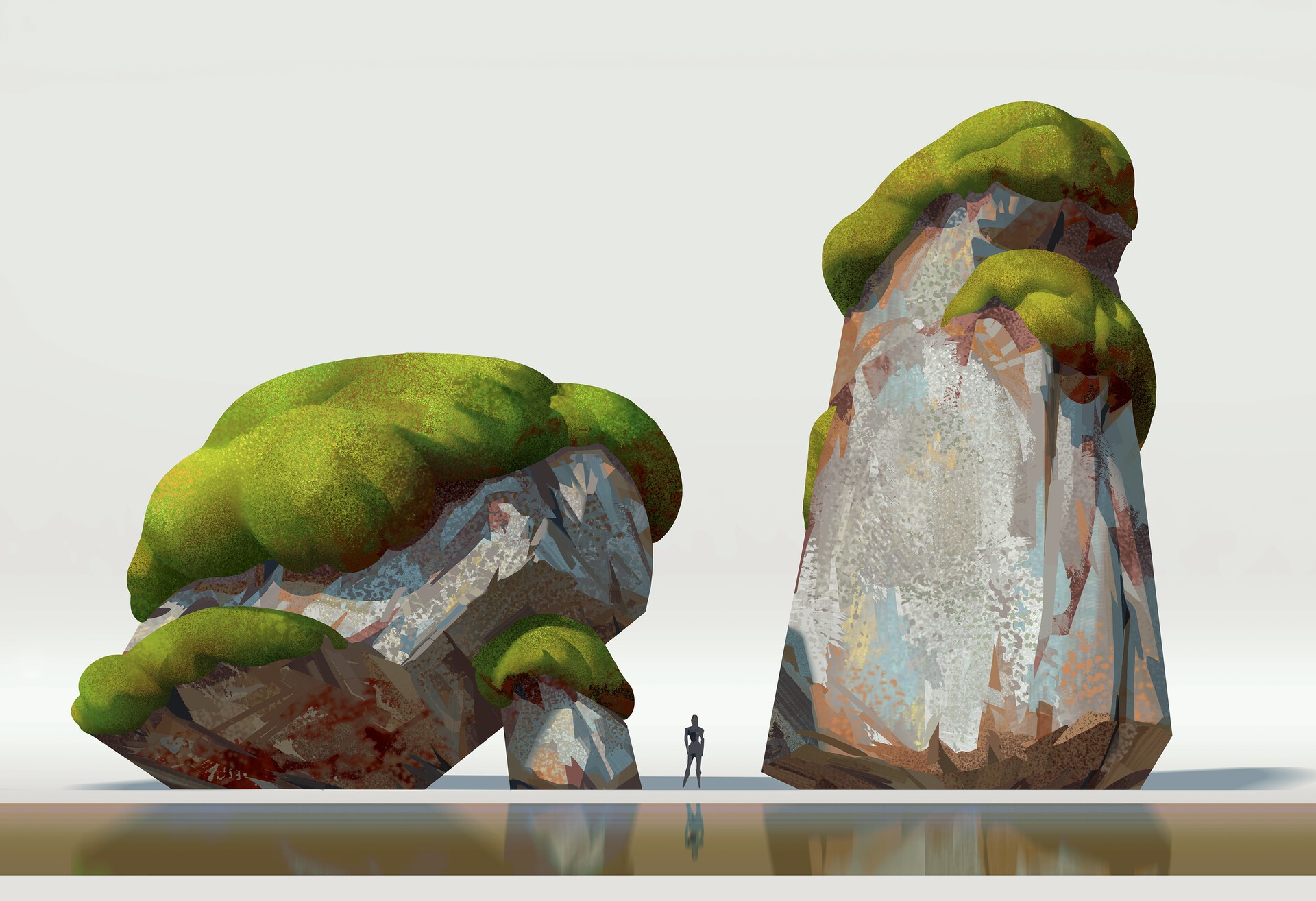
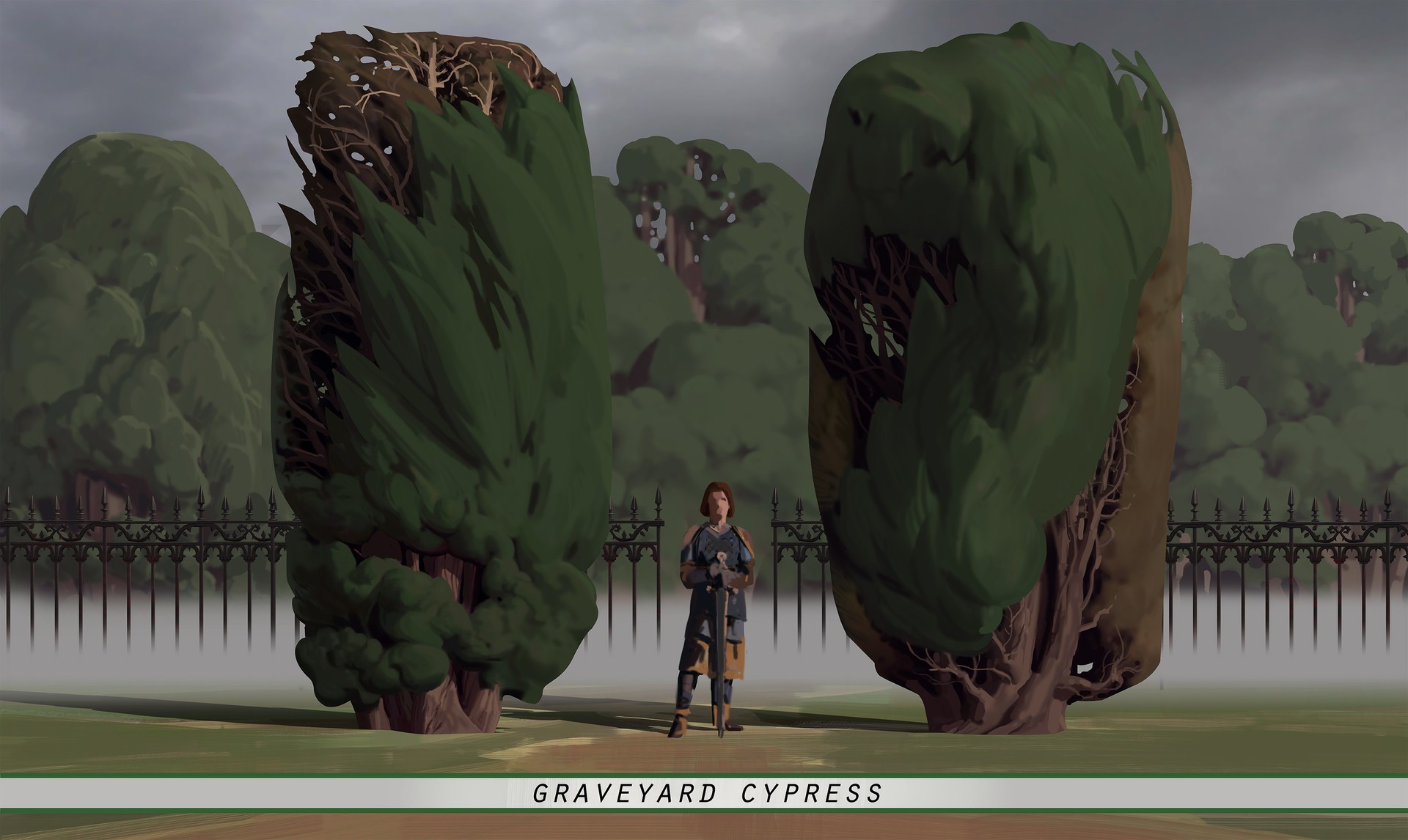
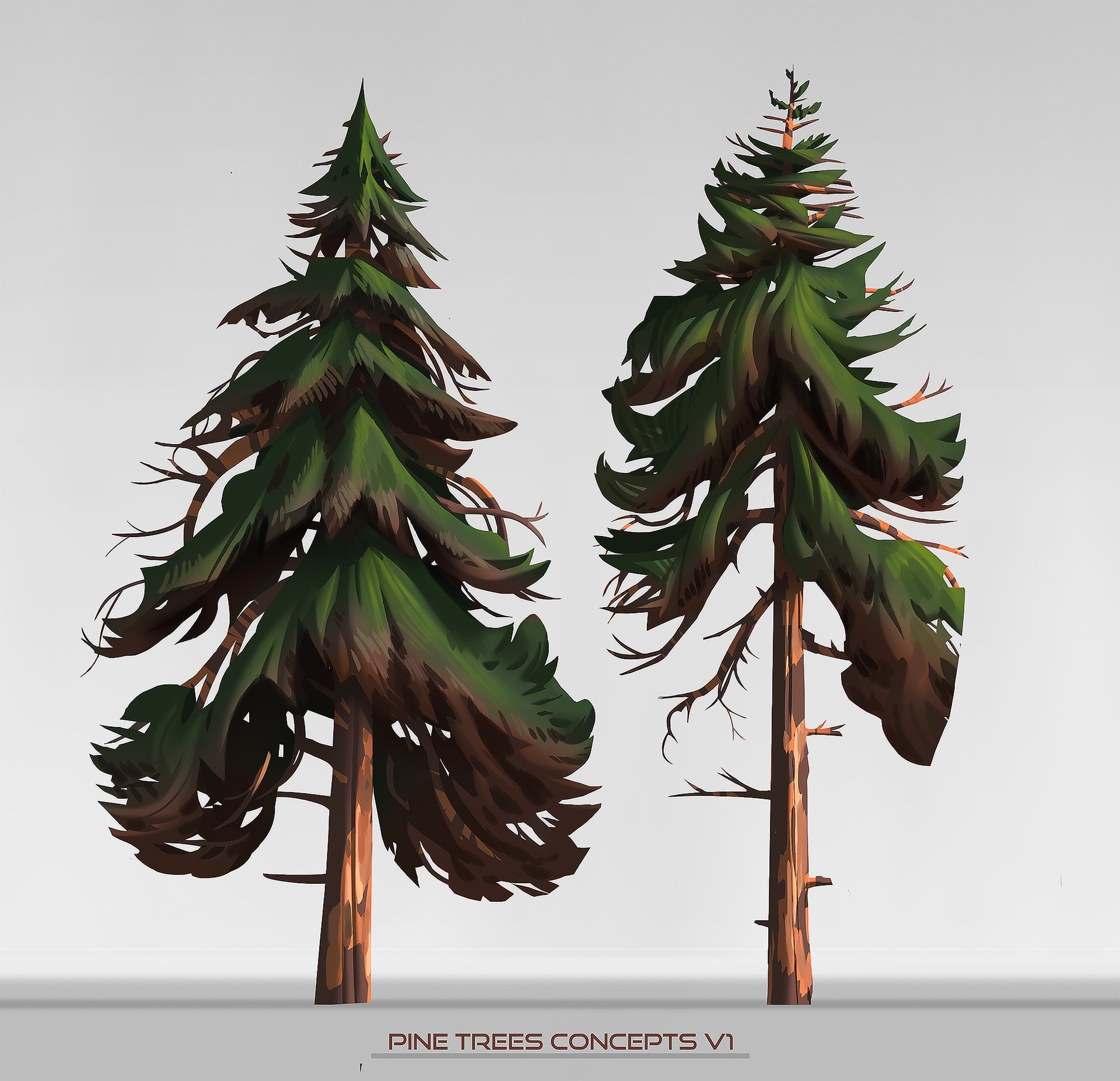
Analyze stylization and visual fundamentals
Simplify complex forms for readability
References for narrative design
Professional 2D painting workflows
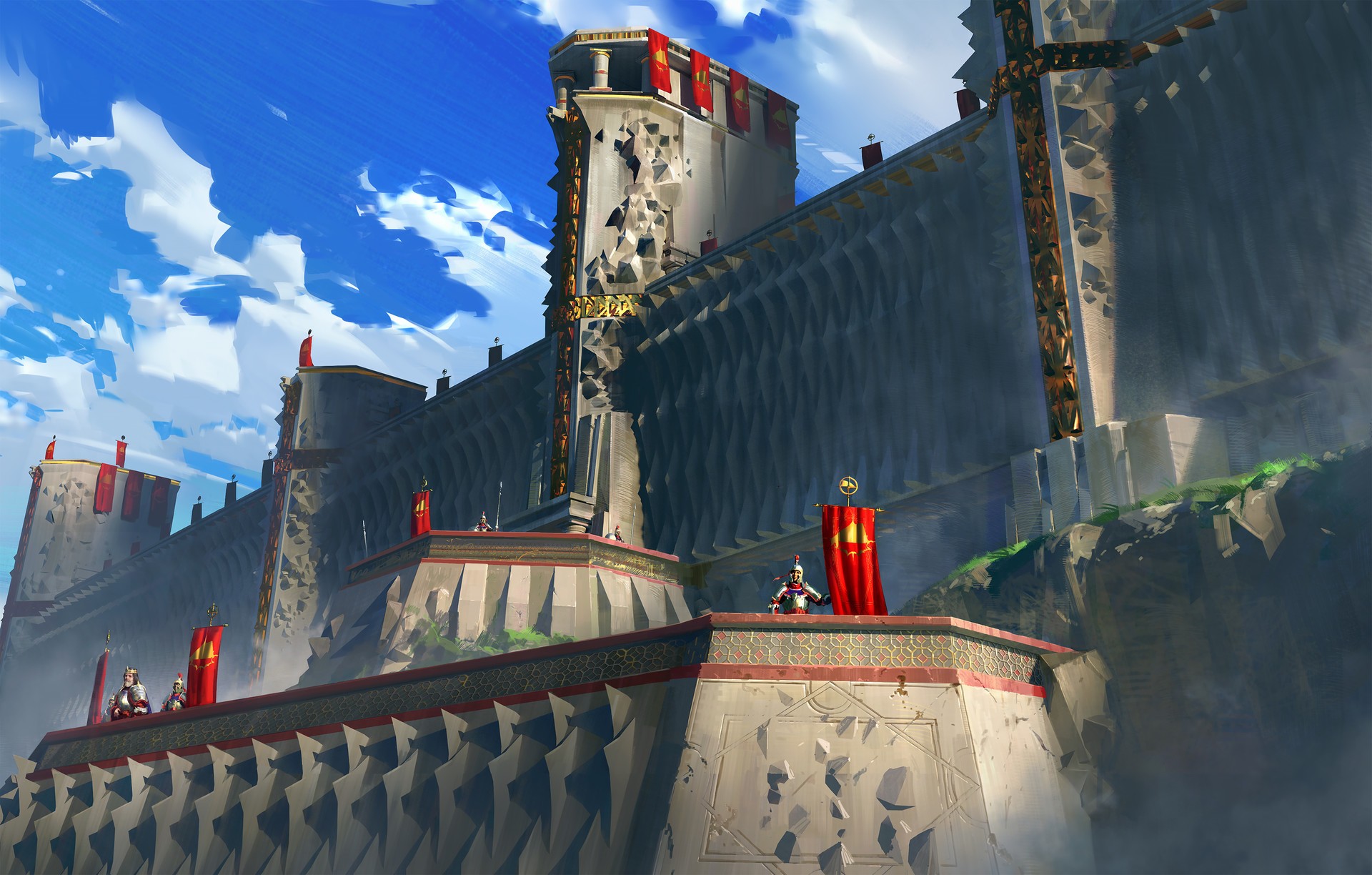
Architecture with storytelling details
Use 3D for stylized artworks
Key details about this course
Level
Beginner to Intermediate
Duration
8 hours, 41 minutes
Language
English
Subtitles
English, Portuguese, French, Spanish, Hindi, Chinese (Simplified)
Software used
Photoshop, Blender
Category
Architecture / Stylization
Mentorship compatible
Yes
Last updated
Jan 2026

8 hours, 41 minutes
Duration
Free
Discord Chat
4-5 days
Assignment Delivery
MENTOR WORK
mentor portfolio
Course Overview
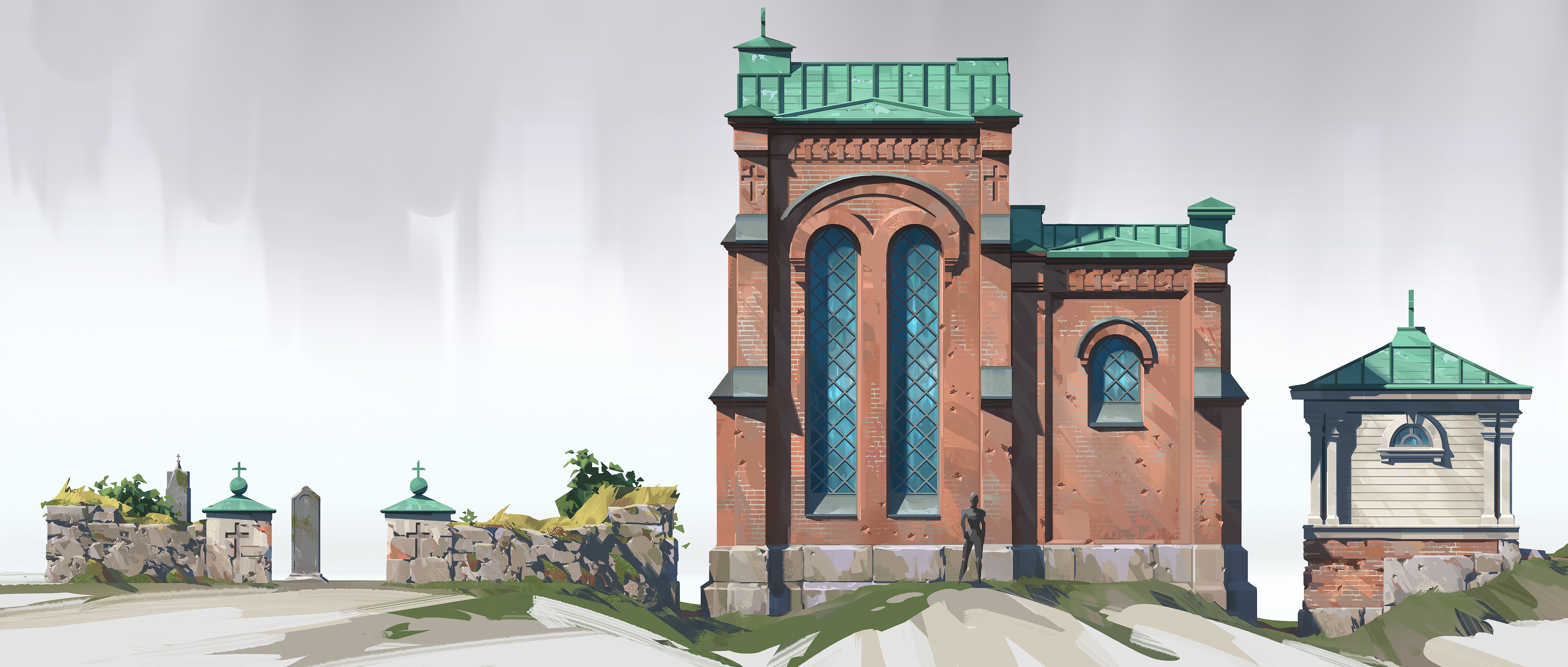
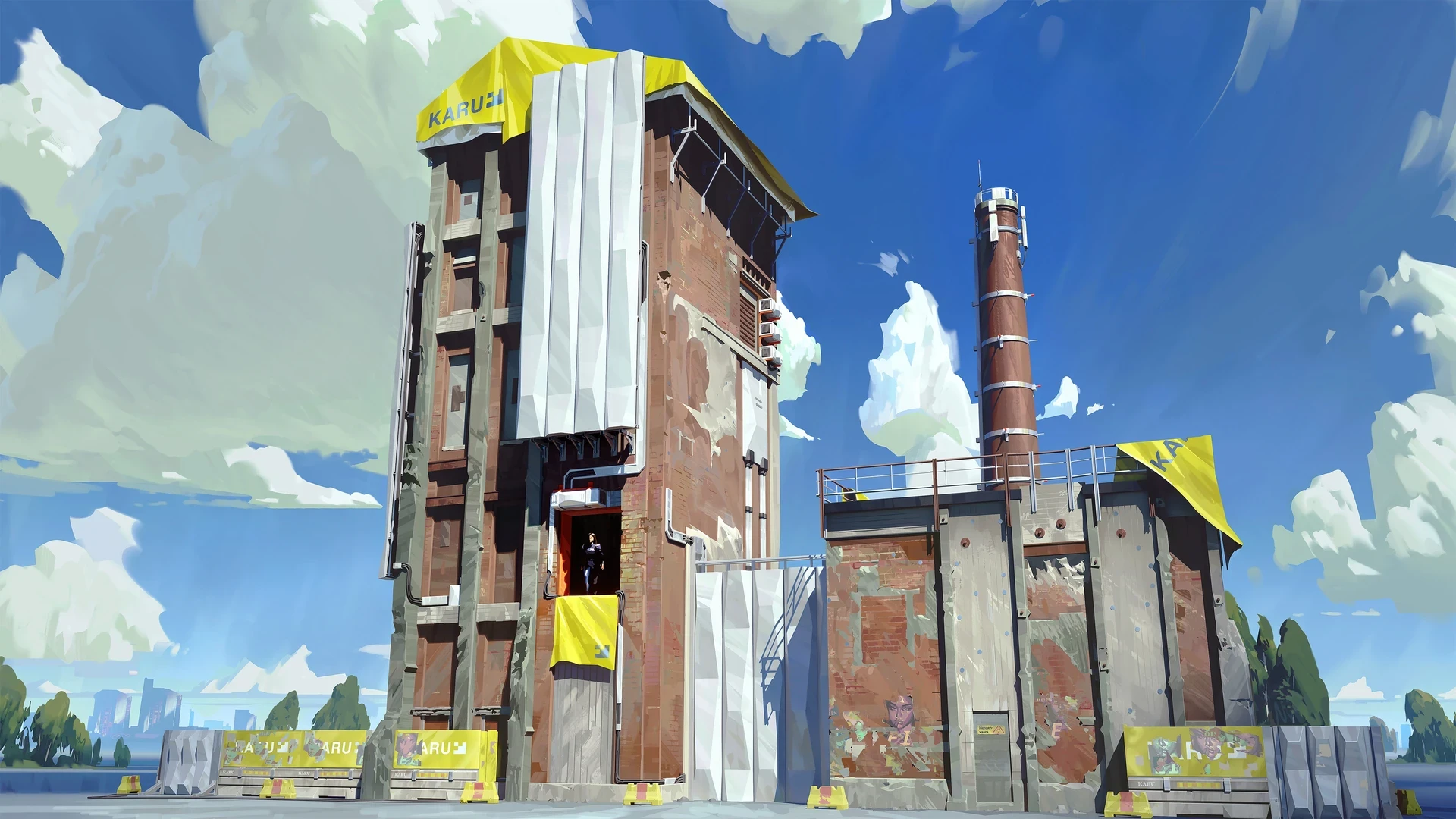
Architecture is the intersection of function, technique, and culture. To create believing worlds, an artist must understand why a building exists, not just how it looks.
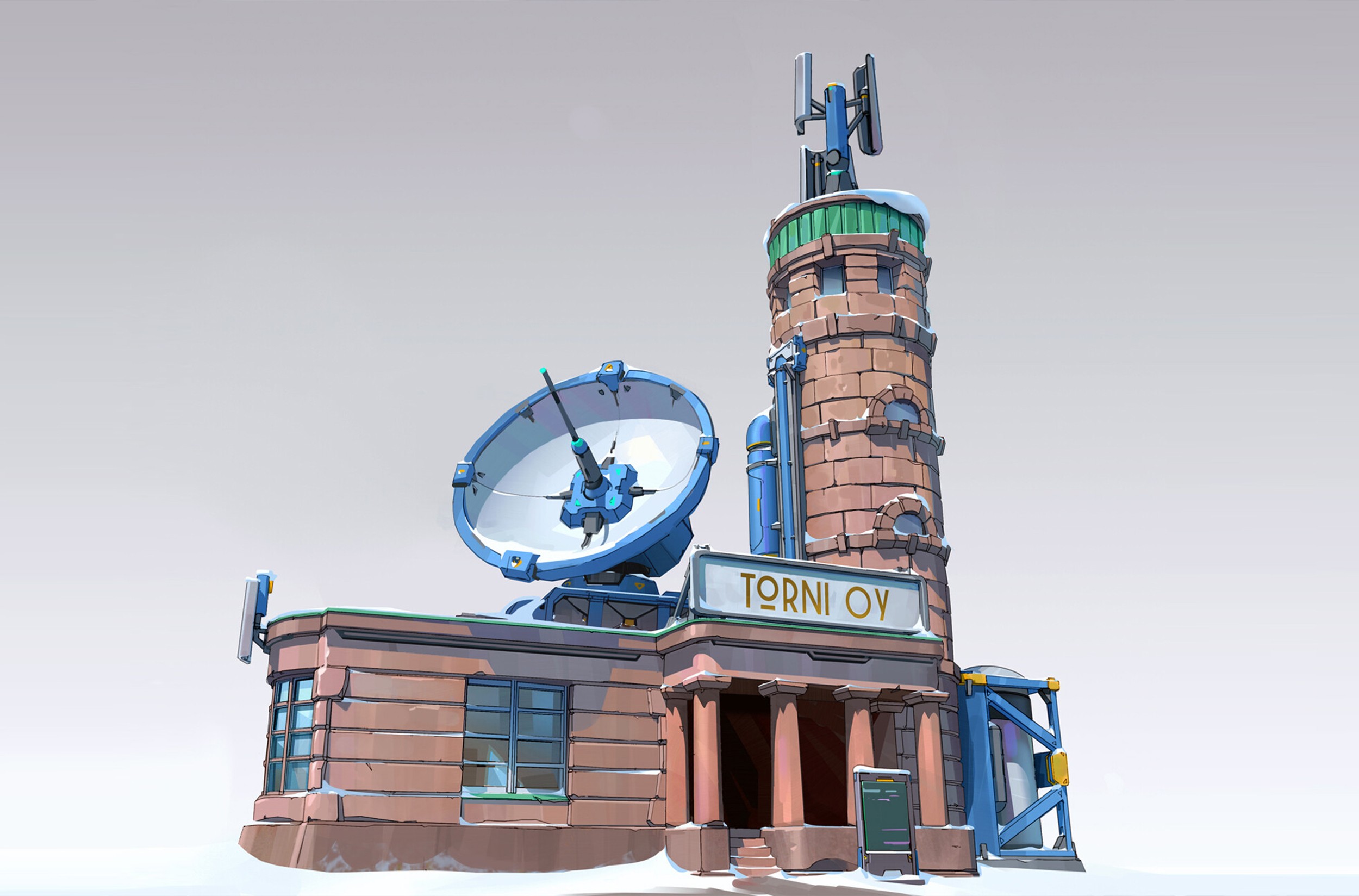
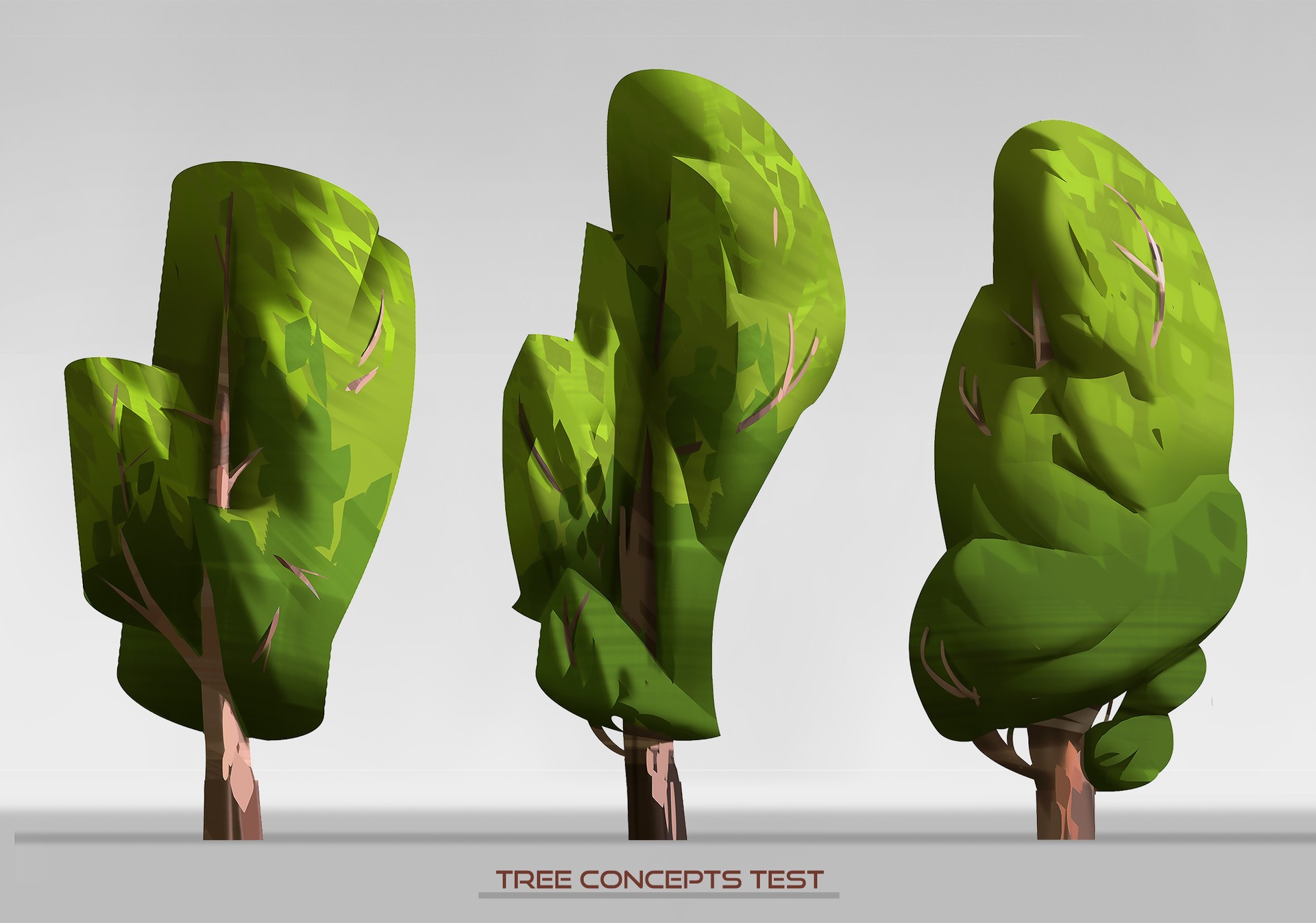
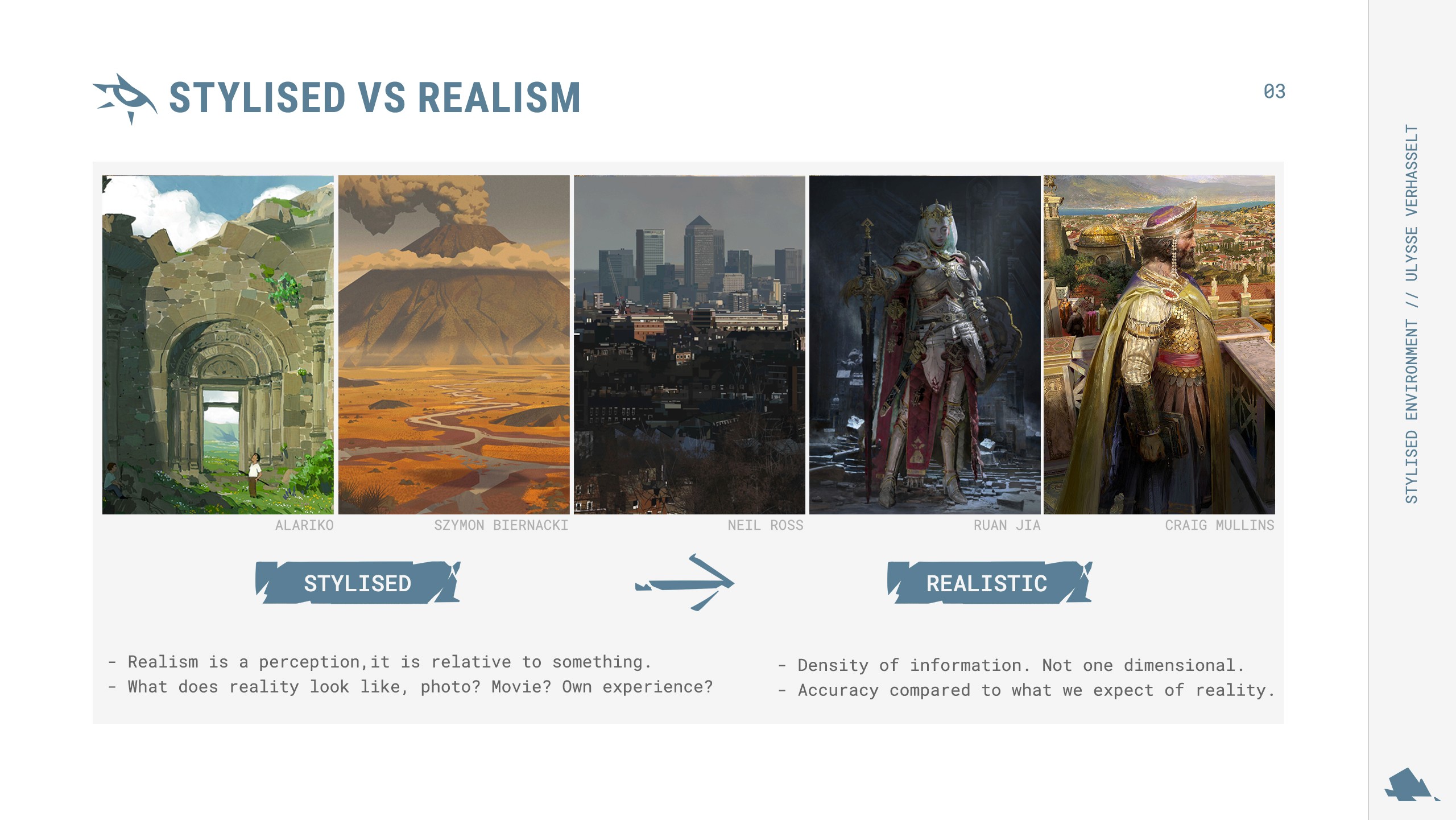
This course guides concept artists through the "Stylization Spectrum," mastering the fundamentals of Value, Color, and Shape to tell stories through design.
Analysis & Simplification: Learn to deconstruct history and art. We focus on reducing visual noise and grouping values to create readable, strong designs. You will learn to understand techniques from masters to build your own visual library.
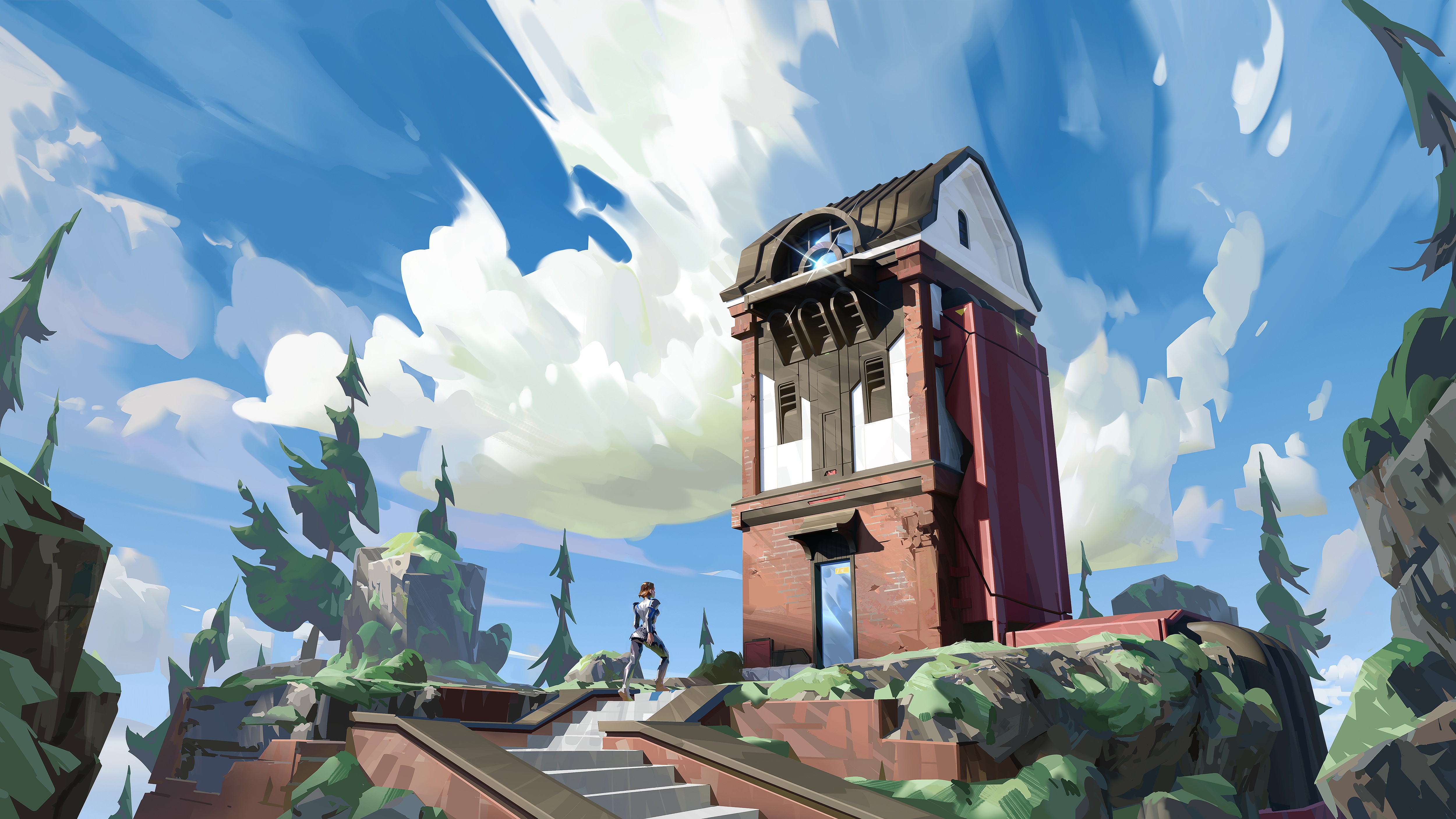
The Professional 2D Workflow: Master a non-destructive process. From gathering meaningful references to the final polish, we cover specific techniques using selections, masks, and lighting layers. We emphasize storytelling through detail, using wear and tear to give your structure a history.
3D Integration & Paintover: Modernize your pipeline. You will learn to sketch specifically for a 3D base, block out scenes in Blender, and master the Paintover. We teach you how to break the sterile "perfect" look of 3D using broad strokes and painterly techniques to breathe life into your renders.
Whether you are a painter or a modeler, this course provides what you need to turn structures into stories.
Stylized
Environment
Painting
CHAPTERS
Course Structure
CHAPTER 0: Artist Intro
0 lectures
32:18
CHAPTER 0: Artist Intro
0 lectures
32:18
CHAPTER 0: Artist Intro
0 lectures
32:18
CHAPTER 1: Art and Design theory
0 lectures
73min
CHAPTER 1: Art and Design theory
0 lectures
73min
CHAPTER 1: Art and Design theory
0 lectures
73min
CHAPTER 2: Architecture Styles
0 lectures
29min
CHAPTER 2: Architecture Styles
0 lectures
29min
CHAPTER 2: Architecture Styles
0 lectures
29min
CHAPTER 3: Styles in Painting
0 lectures
15min
CHAPTER 3: Styles in Painting
0 lectures
15min
CHAPTER 3: Styles in Painting
0 lectures
15min
CHAPTER 4: References
0 lectures
18min
CHAPTER 4: References
0 lectures
18min
CHAPTER 4: References
0 lectures
18min
CHAPTER 5: Sketching for 2D
0 lectures
40min
CHAPTER 5: Sketching for 2D
0 lectures
40min
CHAPTER 5: Sketching for 2D
0 lectures
40min
CHAPTER 6: Colors and volumes
0 lectures
61min
CHAPTER 6: Colors and volumes
0 lectures
61min
CHAPTER 6: Colors and volumes
0 lectures
61min
CHAPTER 7: Details
0 lectures
32min
CHAPTER 7: Details
0 lectures
32min
CHAPTER 7: Details
0 lectures
32min
CHAPTER 8: Sketching for 3D
0 lectures
18min
CHAPTER 8: Sketching for 3D
0 lectures
18min
CHAPTER 8: Sketching for 3D
0 lectures
18min
CHAPTER 9: 3D modeling
0 lectures
102min
CHAPTER 9: 3D modeling
0 lectures
102min
CHAPTER 9: 3D modeling
0 lectures
102min
CHAPTER 10: 3D Paintover
0 lectures
61min
CHAPTER 10: 3D Paintover
0 lectures
61min
CHAPTER 10: 3D Paintover
0 lectures
61min
Meet your mentor


Ulysse Verhasselt
Valorant, Fortnite, Ember
Finnish
From
Netflix
Riot
Amazon
+
With 10+ years of experience as a concept artist and educator, I specialize in stylized environments for major titles like Valorant and Fortnite. My passion is sharing deep art knowledge to guide students on their creative journey.
$313
$232
PRE-SALE
PRE-SALE
PRE-SALE
Assignments
WHAT YOU WILL BUILD DURING THIS COURSE
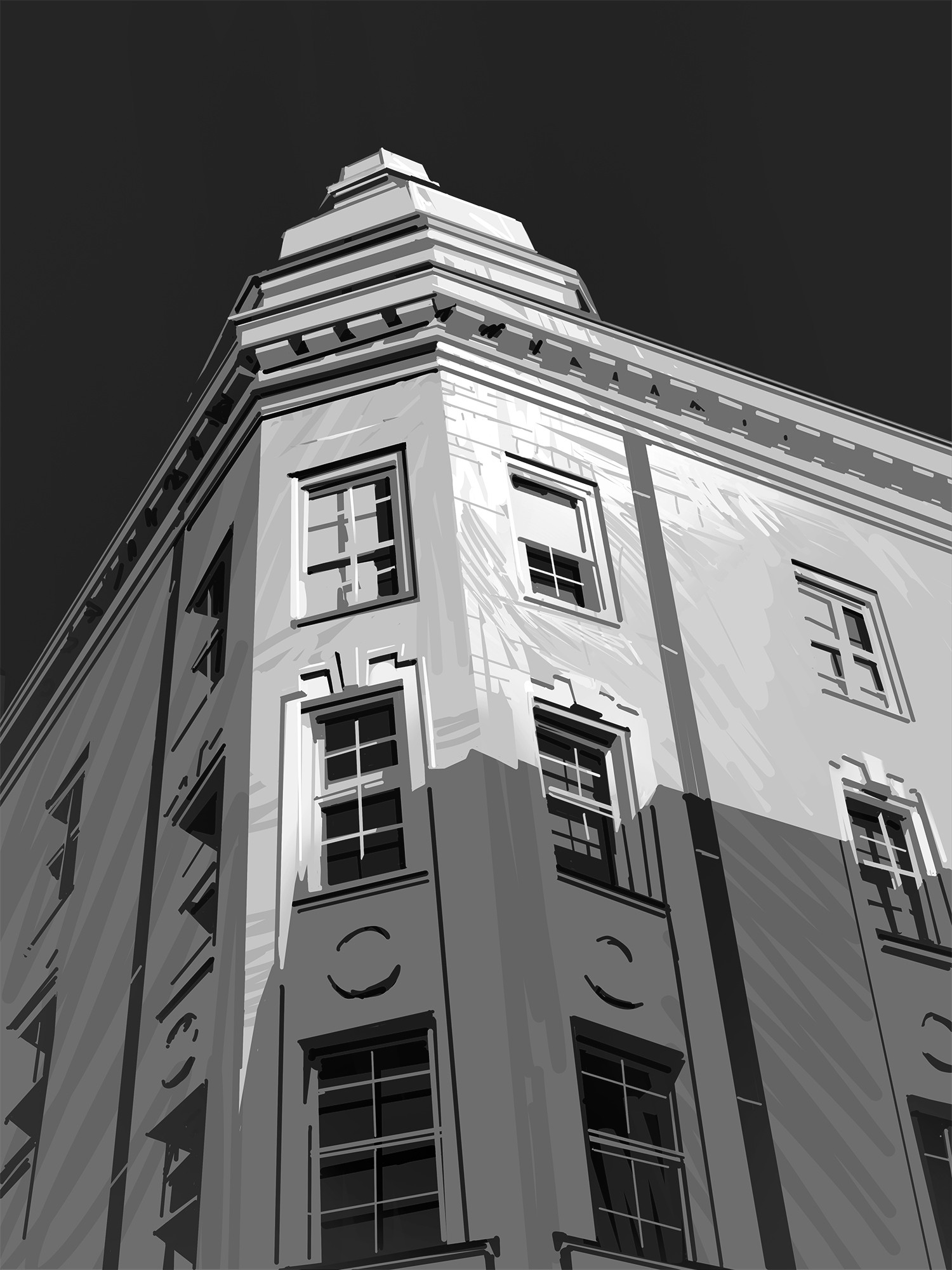
Assignment 1: Simplified architecture studies
Create 1 to 5 studies, focused on radical simplification, try to interpret not copy directly. Pick well you reference, take one that you find challenging and interesting, an architecture reference would suit the course best. Focus on values and readability, the shapes needs to be readable, try to use brushes without opacity to make clear intentional brushstrokes. Simplify complex informations and make sure your focal point is readable and interesting to look at. This exercise will help you leverage the strength of values by focusing on focal points and establishing a hierarchy of details. Ultimately it will allow you to create more readable and striking images.

Assignment 1: Simplified architecture studies
Create 1 to 5 studies, focused on radical simplification, try to interpret not copy directly. Pick well you reference, take one that you find challenging and interesting, an architecture reference would suit the course best. Focus on values and readability, the shapes needs to be readable, try to use brushes without opacity to make clear intentional brushstrokes. Simplify complex informations and make sure your focal point is readable and interesting to look at. This exercise will help you leverage the strength of values by focusing on focal points and establishing a hierarchy of details. Ultimately it will allow you to create more readable and striking images.

Assignment 1: Simplified architecture studies
Create 1 to 5 studies, focused on radical simplification, try to interpret not copy directly. Pick well you reference, take one that you find challenging and interesting, an architecture reference would suit the course best. Focus on values and readability, the shapes needs to be readable, try to use brushes without opacity to make clear intentional brushstrokes. Simplify complex informations and make sure your focal point is readable and interesting to look at. This exercise will help you leverage the strength of values by focusing on focal points and establishing a hierarchy of details. Ultimately it will allow you to create more readable and striking images.

Assignment 1: Simplified architecture studies
Create 1 to 5 studies, focused on radical simplification, try to interpret not copy directly. Pick well you reference, take one that you find challenging and interesting, an architecture reference would suit the course best. Focus on values and readability, the shapes needs to be readable, try to use brushes without opacity to make clear intentional brushstrokes. Simplify complex informations and make sure your focal point is readable and interesting to look at. This exercise will help you leverage the strength of values by focusing on focal points and establishing a hierarchy of details. Ultimately it will allow you to create more readable and striking images.

Assignment 1: Simplified architecture studies
Create 1 to 5 studies, focused on radical simplification, try to interpret not copy directly. Pick well you reference, take one that you find challenging and interesting, an architecture reference would suit the course best. Focus on values and readability, the shapes needs to be readable, try to use brushes without opacity to make clear intentional brushstrokes. Simplify complex informations and make sure your focal point is readable and interesting to look at. This exercise will help you leverage the strength of values by focusing on focal points and establishing a hierarchy of details. Ultimately it will allow you to create more readable and striking images.

Assignment 1: Simplified architecture studies
Create 1 to 5 studies, focused on radical simplification, try to interpret not copy directly. Pick well you reference, take one that you find challenging and interesting, an architecture reference would suit the course best. Focus on values and readability, the shapes needs to be readable, try to use brushes without opacity to make clear intentional brushstrokes. Simplify complex informations and make sure your focal point is readable and interesting to look at. This exercise will help you leverage the strength of values by focusing on focal points and establishing a hierarchy of details. Ultimately it will allow you to create more readable and striking images.

Assignment 1: Simplified architecture studies
Create 1 to 5 studies, focused on radical simplification, try to interpret not copy directly. Pick well you reference, take one that you find challenging and interesting, an architecture reference would suit the course best. Focus on values and readability, the shapes needs to be readable, try to use brushes without opacity to make clear intentional brushstrokes. Simplify complex informations and make sure your focal point is readable and interesting to look at. This exercise will help you leverage the strength of values by focusing on focal points and establishing a hierarchy of details. Ultimately it will allow you to create more readable and striking images.

Assignment 1: Simplified architecture studies
Create 1 to 5 studies, focused on radical simplification, try to interpret not copy directly. Pick well you reference, take one that you find challenging and interesting, an architecture reference would suit the course best. Focus on values and readability, the shapes needs to be readable, try to use brushes without opacity to make clear intentional brushstrokes. Simplify complex informations and make sure your focal point is readable and interesting to look at. This exercise will help you leverage the strength of values by focusing on focal points and establishing a hierarchy of details. Ultimately it will allow you to create more readable and striking images.

Assignment 1: Simplified architecture studies
Create 1 to 5 studies, focused on radical simplification, try to interpret not copy directly. Pick well you reference, take one that you find challenging and interesting, an architecture reference would suit the course best. Focus on values and readability, the shapes needs to be readable, try to use brushes without opacity to make clear intentional brushstrokes. Simplify complex informations and make sure your focal point is readable and interesting to look at. This exercise will help you leverage the strength of values by focusing on focal points and establishing a hierarchy of details. Ultimately it will allow you to create more readable and striking images.

Assignment 1: Simplified architecture studies
Create 1 to 5 studies, focused on radical simplification, try to interpret not copy directly. Pick well you reference, take one that you find challenging and interesting, an architecture reference would suit the course best. Focus on values and readability, the shapes needs to be readable, try to use brushes without opacity to make clear intentional brushstrokes. Simplify complex informations and make sure your focal point is readable and interesting to look at. This exercise will help you leverage the strength of values by focusing on focal points and establishing a hierarchy of details. Ultimately it will allow you to create more readable and striking images.

Assignment 1: Simplified architecture studies
Create 1 to 5 studies, focused on radical simplification, try to interpret not copy directly. Pick well you reference, take one that you find challenging and interesting, an architecture reference would suit the course best. Focus on values and readability, the shapes needs to be readable, try to use brushes without opacity to make clear intentional brushstrokes. Simplify complex informations and make sure your focal point is readable and interesting to look at. This exercise will help you leverage the strength of values by focusing on focal points and establishing a hierarchy of details. Ultimately it will allow you to create more readable and striking images.

Assignment 1: Simplified architecture studies
Create 1 to 5 studies, focused on radical simplification, try to interpret not copy directly. Pick well you reference, take one that you find challenging and interesting, an architecture reference would suit the course best. Focus on values and readability, the shapes needs to be readable, try to use brushes without opacity to make clear intentional brushstrokes. Simplify complex informations and make sure your focal point is readable and interesting to look at. This exercise will help you leverage the strength of values by focusing on focal points and establishing a hierarchy of details. Ultimately it will allow you to create more readable and striking images.

Assignment 1: Simplified architecture studies
Create 1 to 5 studies, focused on radical simplification, try to interpret not copy directly. Pick well you reference, take one that you find challenging and interesting, an architecture reference would suit the course best. Focus on values and readability, the shapes needs to be readable, try to use brushes without opacity to make clear intentional brushstrokes. Simplify complex informations and make sure your focal point is readable and interesting to look at. This exercise will help you leverage the strength of values by focusing on focal points and establishing a hierarchy of details. Ultimately it will allow you to create more readable and striking images.

Assignment 1: Simplified architecture studies
Create 1 to 5 studies, focused on radical simplification, try to interpret not copy directly. Pick well you reference, take one that you find challenging and interesting, an architecture reference would suit the course best. Focus on values and readability, the shapes needs to be readable, try to use brushes without opacity to make clear intentional brushstrokes. Simplify complex informations and make sure your focal point is readable and interesting to look at. This exercise will help you leverage the strength of values by focusing on focal points and establishing a hierarchy of details. Ultimately it will allow you to create more readable and striking images.

Assignment 1: Simplified architecture studies
Create 1 to 5 studies, focused on radical simplification, try to interpret not copy directly. Pick well you reference, take one that you find challenging and interesting, an architecture reference would suit the course best. Focus on values and readability, the shapes needs to be readable, try to use brushes without opacity to make clear intentional brushstrokes. Simplify complex informations and make sure your focal point is readable and interesting to look at. This exercise will help you leverage the strength of values by focusing on focal points and establishing a hierarchy of details. Ultimately it will allow you to create more readable and striking images.

Assignment 1: Simplified architecture studies
Create 1 to 5 studies, focused on radical simplification, try to interpret not copy directly. Pick well you reference, take one that you find challenging and interesting, an architecture reference would suit the course best. Focus on values and readability, the shapes needs to be readable, try to use brushes without opacity to make clear intentional brushstrokes. Simplify complex informations and make sure your focal point is readable and interesting to look at. This exercise will help you leverage the strength of values by focusing on focal points and establishing a hierarchy of details. Ultimately it will allow you to create more readable and striking images.

Assignment 1: Simplified architecture studies
Create 1 to 5 studies, focused on radical simplification, try to interpret not copy directly. Pick well you reference, take one that you find challenging and interesting, an architecture reference would suit the course best. Focus on values and readability, the shapes needs to be readable, try to use brushes without opacity to make clear intentional brushstrokes. Simplify complex informations and make sure your focal point is readable and interesting to look at. This exercise will help you leverage the strength of values by focusing on focal points and establishing a hierarchy of details. Ultimately it will allow you to create more readable and striking images.

Assignment 1: Simplified architecture studies
Create 1 to 5 studies, focused on radical simplification, try to interpret not copy directly. Pick well you reference, take one that you find challenging and interesting, an architecture reference would suit the course best. Focus on values and readability, the shapes needs to be readable, try to use brushes without opacity to make clear intentional brushstrokes. Simplify complex informations and make sure your focal point is readable and interesting to look at. This exercise will help you leverage the strength of values by focusing on focal points and establishing a hierarchy of details. Ultimately it will allow you to create more readable and striking images.

Assignment 1: Simplified architecture studies
Create 1 to 5 studies, focused on radical simplification, try to interpret not copy directly. Pick well you reference, take one that you find challenging and interesting, an architecture reference would suit the course best. Focus on values and readability, the shapes needs to be readable, try to use brushes without opacity to make clear intentional brushstrokes. Simplify complex informations and make sure your focal point is readable and interesting to look at. This exercise will help you leverage the strength of values by focusing on focal points and establishing a hierarchy of details. Ultimately it will allow you to create more readable and striking images.

Assignment 1: Simplified architecture studies
Create 1 to 5 studies, focused on radical simplification, try to interpret not copy directly. Pick well you reference, take one that you find challenging and interesting, an architecture reference would suit the course best. Focus on values and readability, the shapes needs to be readable, try to use brushes without opacity to make clear intentional brushstrokes. Simplify complex informations and make sure your focal point is readable and interesting to look at. This exercise will help you leverage the strength of values by focusing on focal points and establishing a hierarchy of details. Ultimately it will allow you to create more readable and striking images.

Assignment 1: Simplified architecture studies
Create 1 to 5 studies, focused on radical simplification, try to interpret not copy directly. Pick well you reference, take one that you find challenging and interesting, an architecture reference would suit the course best. Focus on values and readability, the shapes needs to be readable, try to use brushes without opacity to make clear intentional brushstrokes. Simplify complex informations and make sure your focal point is readable and interesting to look at. This exercise will help you leverage the strength of values by focusing on focal points and establishing a hierarchy of details. Ultimately it will allow you to create more readable and striking images.

Assignment 1: Simplified architecture studies
Create 1 to 5 studies, focused on radical simplification, try to interpret not copy directly. Pick well you reference, take one that you find challenging and interesting, an architecture reference would suit the course best. Focus on values and readability, the shapes needs to be readable, try to use brushes without opacity to make clear intentional brushstrokes. Simplify complex informations and make sure your focal point is readable and interesting to look at. This exercise will help you leverage the strength of values by focusing on focal points and establishing a hierarchy of details. Ultimately it will allow you to create more readable and striking images.

Assignment 1: Simplified architecture studies
Create 1 to 5 studies, focused on radical simplification, try to interpret not copy directly. Pick well you reference, take one that you find challenging and interesting, an architecture reference would suit the course best. Focus on values and readability, the shapes needs to be readable, try to use brushes without opacity to make clear intentional brushstrokes. Simplify complex informations and make sure your focal point is readable and interesting to look at. This exercise will help you leverage the strength of values by focusing on focal points and establishing a hierarchy of details. Ultimately it will allow you to create more readable and striking images.

Assignment 1: Simplified architecture studies
Create 1 to 5 studies, focused on radical simplification, try to interpret not copy directly. Pick well you reference, take one that you find challenging and interesting, an architecture reference would suit the course best. Focus on values and readability, the shapes needs to be readable, try to use brushes without opacity to make clear intentional brushstrokes. Simplify complex informations and make sure your focal point is readable and interesting to look at. This exercise will help you leverage the strength of values by focusing on focal points and establishing a hierarchy of details. Ultimately it will allow you to create more readable and striking images.
STUDENT SHOWCASE
See how students are interpreting the briefs and executing the pipeline. Upload your own results via our Discord channel.
Join Our discord

Join Our discord
Join Our discord
Join Our discord
More MASTERCLASSES Like This
Explore additional masterclasses related to this topic.
Whether you're refining your skills or expanding your style, these courses are perfect next steps in your learning journey.
Explore additional masterclasses related to this topic. Whether you're refining your skills or expanding your style, these courses are perfect next steps in your learning journey.
Questions & Answers
Emilie offers 1-on-1 sessions focused on:
How are your Masterclasses produced?
We take a "slow-cooking" approach to education. Each Masterclass is the result of a rigorous 6 to 9-month collaboration with the artist. We believe in capturing the artist in their element, so roughly half of the course is recorded from the comfort of their own home studio—allowing them to dive deep into technical demonstrations without distraction. The other half is produced in our studio in Paris, where we work with them to structure the curriculum, film high-quality interviews, and ensure the teaching methodology is crystal clear.
Will these courses actually help me get a job?
That’s our ultimate goal, yes. Every course and mentorship is designed with industry outcomes in mind. That means we teach the skills and workflows studios are looking for, from foundational stuff like perspective, form language, and iteration, to pipeline skills like kitbashing 3D models or paint-over techniques for speed. Importantly, we focus on helping you create portfolio pieces that stand out. By the time you finish a course, you should have at least one solid project for your portfolio, and if you go through a full track of courses or a mentorship, you’ll be assembling a portfolio tailored to the role you want. We also cover professional development topics (e.g. how to present your portfolio, how to handle feedback, etc.). In our community, we regularly share job postings and even conduct portfolio reviews and mock interviews. Ultimately, your effort + our guidance = the result. We can’t guarantee a job (no school can), but we can confidently say we give you the training you need to build a job-winning portfolio.
How are your Masterclasses produced?
We take a "slow-cooking" approach to education. Each Masterclass is the result of a rigorous 6 to 9-month collaboration with the artist. We believe in capturing the artist in their element, so roughly half of the course is recorded from the comfort of their own home studio—allowing them to dive deep into technical demonstrations without distraction. The other half is produced in our studio in Paris, where we work with them to structure the curriculum, film high-quality interviews, and ensure the teaching methodology is crystal clear.
Will these courses actually help me get a job?
That’s our ultimate goal, yes. Every course and mentorship is designed with industry outcomes in mind. That means we teach the skills and workflows studios are looking for, from foundational stuff like perspective, form language, and iteration, to pipeline skills like kitbashing 3D models or paint-over techniques for speed. Importantly, we focus on helping you create portfolio pieces that stand out. By the time you finish a course, you should have at least one solid project for your portfolio, and if you go through a full track of courses or a mentorship, you’ll be assembling a portfolio tailored to the role you want. We also cover professional development topics (e.g. how to present your portfolio, how to handle feedback, etc.). In our community, we regularly share job postings and even conduct portfolio reviews and mock interviews. Ultimately, your effort + our guidance = the result. We can’t guarantee a job (no school can), but we can confidently say we give you the training you need to build a job-winning portfolio.
How are your Masterclasses produced?
We take a "slow-cooking" approach to education. Each Masterclass is the result of a rigorous 6 to 9-month collaboration with the artist. We believe in capturing the artist in their element, so roughly half of the course is recorded from the comfort of their own home studio—allowing them to dive deep into technical demonstrations without distraction. The other half is produced in our studio in Paris, where we work with them to structure the curriculum, film high-quality interviews, and ensure the teaching methodology is crystal clear.
Will these courses actually help me get a job?
That’s our ultimate goal, yes. Every course and mentorship is designed with industry outcomes in mind. That means we teach the skills and workflows studios are looking for, from foundational stuff like perspective, form language, and iteration, to pipeline skills like kitbashing 3D models or paint-over techniques for speed. Importantly, we focus on helping you create portfolio pieces that stand out. By the time you finish a course, you should have at least one solid project for your portfolio, and if you go through a full track of courses or a mentorship, you’ll be assembling a portfolio tailored to the role you want. We also cover professional development topics (e.g. how to present your portfolio, how to handle feedback, etc.). In our community, we regularly share job postings and even conduct portfolio reviews and mock interviews. Ultimately, your effort + our guidance = the result. We can’t guarantee a job (no school can), but we can confidently say we give you the training you need to build a job-winning portfolio.
Do I need any prior skills or software knowledge?
Not much, but you do need drive. We designed our courses so that a motivated beginner can follow along, but some basic drawing experience helps. You should be familiar with fundamental art concepts like perspective and lighting (even at a rudimentary level) and comfortable with digital art software (Adobe Photoshop is most common in our workflow). Don’t worry if you’re new to certain tools, we often include intro lessons for software, and our community will help you pick up technical skills. The key is having strong fundamentals and willingness to learn. If you’re starting from zero art knowledge, we might recommend you do a bit of basic drawing practice first, but many of our beginners have been self-taught hobbyists before they join. As for hardware/software: a drawing tablet and a computer that can run art programs are essential; specific course tool requirements (like Blender for a 3D heavy course) will be noted in the course info, but generally Photoshop or an equivalent is used for most 2D concept art courses.
What is the difference between a Masterclass and a Live Class?
A Masterclass is a pre-recorded, self-paced product. Once you buy it, you have lifetime access to watch it whenever and wherever you want. A Live Class is a time-sensitive event with a fixed schedule (usually 6-8 weeks) where you learn alongside a cohort of students and the instructor in real-time.
Do I need any prior skills or software knowledge?
Not much, but you do need drive. We designed our courses so that a motivated beginner can follow along, but some basic drawing experience helps. You should be familiar with fundamental art concepts like perspective and lighting (even at a rudimentary level) and comfortable with digital art software (Adobe Photoshop is most common in our workflow). Don’t worry if you’re new to certain tools, we often include intro lessons for software, and our community will help you pick up technical skills. The key is having strong fundamentals and willingness to learn. If you’re starting from zero art knowledge, we might recommend you do a bit of basic drawing practice first, but many of our beginners have been self-taught hobbyists before they join. As for hardware/software: a drawing tablet and a computer that can run art programs are essential; specific course tool requirements (like Blender for a 3D heavy course) will be noted in the course info, but generally Photoshop or an equivalent is used for most 2D concept art courses.
What is the difference between a Masterclass and a Live Class?
A Masterclass is a pre-recorded, self-paced product. Once you buy it, you have lifetime access to watch it whenever and wherever you want. A Live Class is a time-sensitive event with a fixed schedule (usually 6-8 weeks) where you learn alongside a cohort of students and the instructor in real-time.
Do I need any prior skills or software knowledge?
Not much, but you do need drive. We designed our courses so that a motivated beginner can follow along, but some basic drawing experience helps. You should be familiar with fundamental art concepts like perspective and lighting (even at a rudimentary level) and comfortable with digital art software (Adobe Photoshop is most common in our workflow). Don’t worry if you’re new to certain tools, we often include intro lessons for software, and our community will help you pick up technical skills. The key is having strong fundamentals and willingness to learn. If you’re starting from zero art knowledge, we might recommend you do a bit of basic drawing practice first, but many of our beginners have been self-taught hobbyists before they join. As for hardware/software: a drawing tablet and a computer that can run art programs are essential; specific course tool requirements (like Blender for a 3D heavy course) will be noted in the course info, but generally Photoshop or an equivalent is used for most 2D concept art courses.
What is the difference between a Masterclass and a Live Class?
A Masterclass is a pre-recorded, self-paced product. Once you buy it, you have lifetime access to watch it whenever and wherever you want. A Live Class is a time-sensitive event with a fixed schedule (usually 6-8 weeks) where you learn alongside a cohort of students and the instructor in real-time.
ConceptCore 2026
We believe in learning from the source. ConceptCore connects you directly with working professionals to learn the messy, complex, and real process of creating art. No gatekeeping, just the actual workflows used in studios today.


ConceptCore 2026
We believe in learning from the source. ConceptCore connects you directly with working professionals to learn the messy, complex, and real process of creating art. No gatekeeping, just the actual workflows used in studios today.


ConceptCore 2026
We believe in learning from the source. ConceptCore connects you directly with working professionals to learn the messy, complex, and real process of creating art. No gatekeeping, just the actual workflows used in studios today.